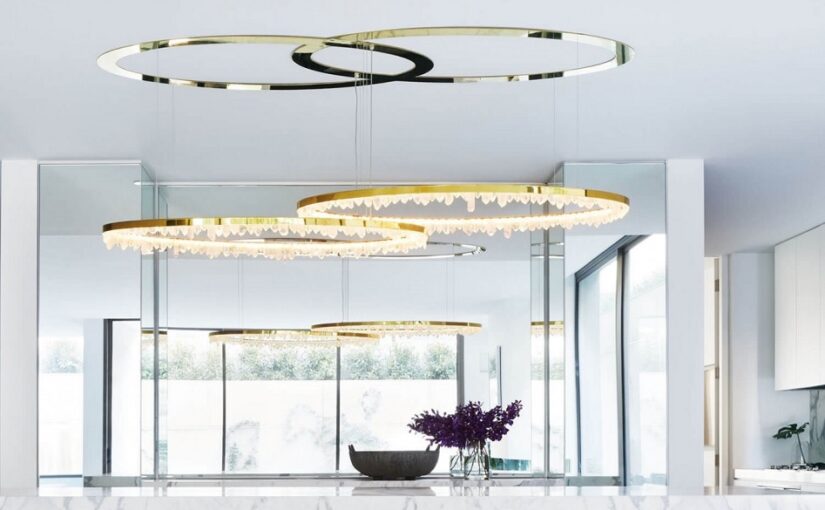
Continue reading Illuminating Nature: The Art of Handcrafted Lighting and Furniture
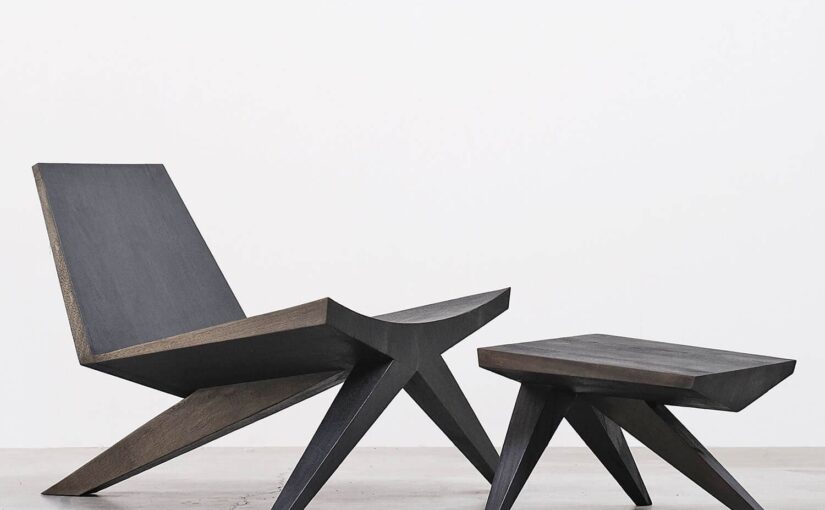
3 advantages of luxury lounge chairs
Lounge chairs are prepared to give a lot of comfort to the owner. While folded – they can be used for work or study, and when unfolded – they are an excellent option for a moment of relaxation with a book or some good music. What are the advantages of luxury lounge chairs?
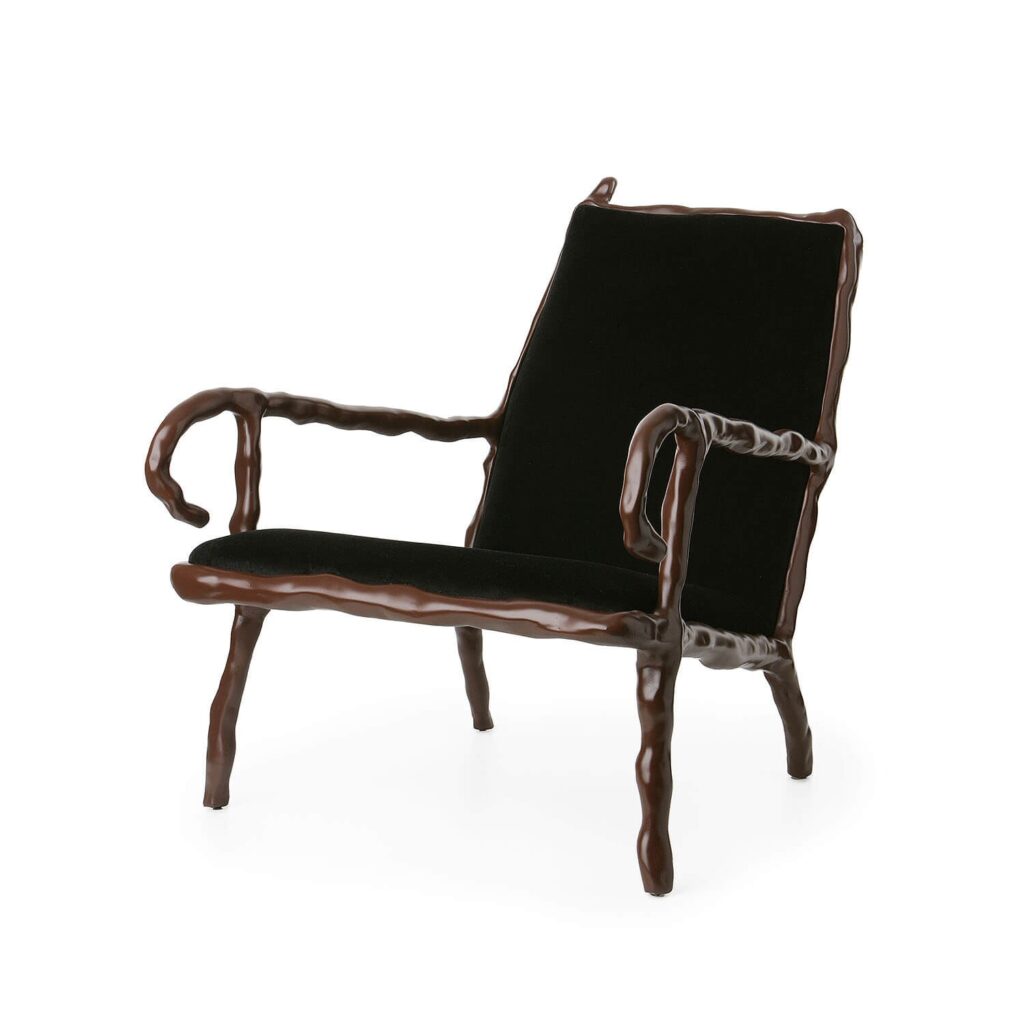
1. A lot of comfort
One of the most important pros of the luxury lounge chairs is obviously the comfort they can provide. If you have chosen a good furniture, it will make you feel good while working and also when you want to grab some rest. There are multiple important factors: the lounge chair should be properly profiled and made of appropriate quality materials – thanks to those, you will find real comfort while sitting on your luxury lounge chair.
2. Multifunctionality
This is a huge difference if you don’t have a lot of time in your appartment or company. Designer lounge chairs can be both a place to work or study and to relax after all your tasks are finished. It’s a huge space saving, so if your cabinet isn’t a big one, you should definitely consider getting this multifunctional lounge chair.
3. Amazing design of the luxury lounge chairs
Last, but not least, the designer lounge chairs are also an amazing option if you want the interior to look elegant. Most of the chairs are prepared to fit in almost all of the modern looking rooms, which makes it pretty easy to find a suitable solution for your home or office. Among the available options, there are simple, stylish chairs and also some extravagant solutions.
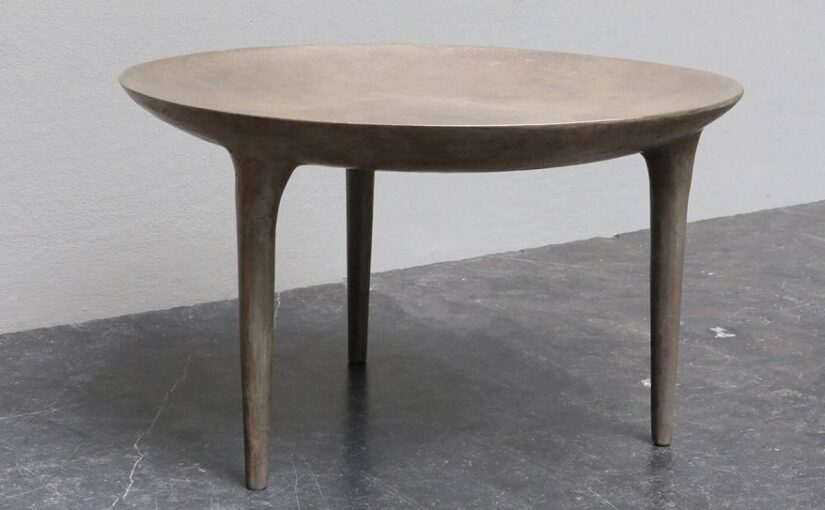
Stylish furniture from Rick Owens
Rick Owens is an American designer, who specializes in designing furniture, mostly inspired by the loft style. Even though Owens was born in USA, he currently lives in France (Paris, to be exact) and that’s where he is designing. Rick Owens furniture can be seen in houses since 2005. Why do we value it so much?
Great design
One of the biggest advantages of Rick Owens tables, chairs and other pieces of furniture is the style it offers. Designs of Rick Owens are well known around the world and highly valued. What is more, the furniture will fit into different styles: just make sure to match them with the colors of the rest of the decor and enjoy Rick Owens furniture in your house.
High quality
The designer values quality just as much as the look of his creations. That’s why Rick Owens chairs can be seated by people of different stature and Rick Owens tables can withstand even a heavy load (so you can feast in peace with your loved ones).
All of that makes the Rick Owens chairs, tablet and other furniture parts a really good choice for both private and piblic areas. The only thing that should matter is choosing the right look of the furniture, matching the rest. Which, honestly, isn’t that hard, as all of the Owen’s furniture are made in modern style.
Also, Rick Owens is still designing, so even if you own any of Rick Owens furniture, you should check his current offers from time to time. Maybe you will find some new piece of furniture, that will match your taste and interiors at the same time?
What kind of furniture should we buy?
Living room is a place that plays an extremely important role in every home or apartment. It is in him that we spend the most time. We meet with friends and loved ones, we play with children and we give ourselves to carefree laziness. That is why it is worth paying special attention to the design of this room.
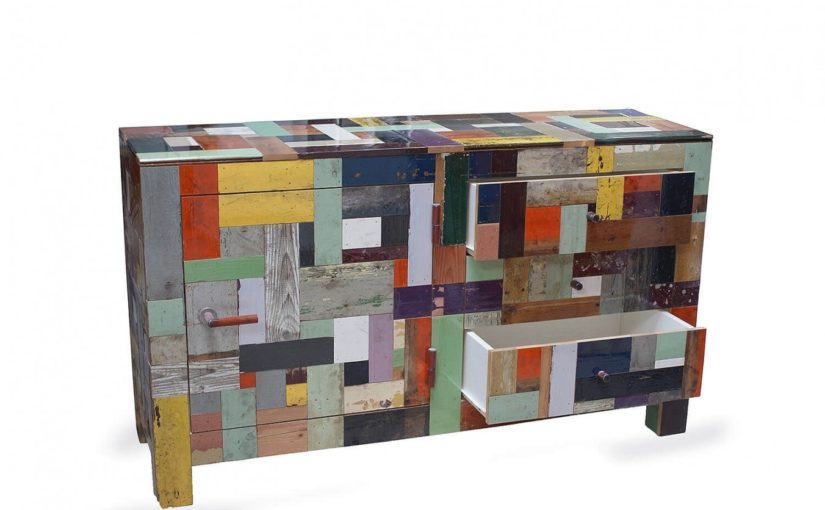
Popular furniture for us – Piet Hein Eek
Arranging every room in the house is a real challenge. It should be fashionably and functionally as well. While some focus on a stylish look, others prefer useful and durable solutions. Why not choose both of these traits? After all, today’s interior design creates so many possibilities that such an arrangement is extremely simple. In addition to eye-catching lines, Piet Hein Eeks modern furniture also has other advantages. They are timeless and elegant, and in addition fit every living room. All you need is a moment of fun with colors and patterns, so that it will be decorated with style and idea!
Timeless solutions for the living room are primarily designer furniture. Thanks to them, every interior becomes both functional and stylish. A small area is not an obstacle, because the classics of interior design were most often used in small rooms. What elements must be included in them? It is certainly a comfortable sofa, which will be useful in everyday use, and will be a sofa bed. Then the living room will become a guest room. Design Piet Hein Eek furniture has the great advantage of being able to combine several functions at once. That is why they are so often chosen to arrange modern interiors.
Where can we buy luxury sofa?
A luxurious sofa in every room is very important. More and more people are choosing to buy such a thing, because this piece of furniture that can change our apartment. So what furniture should we choose?
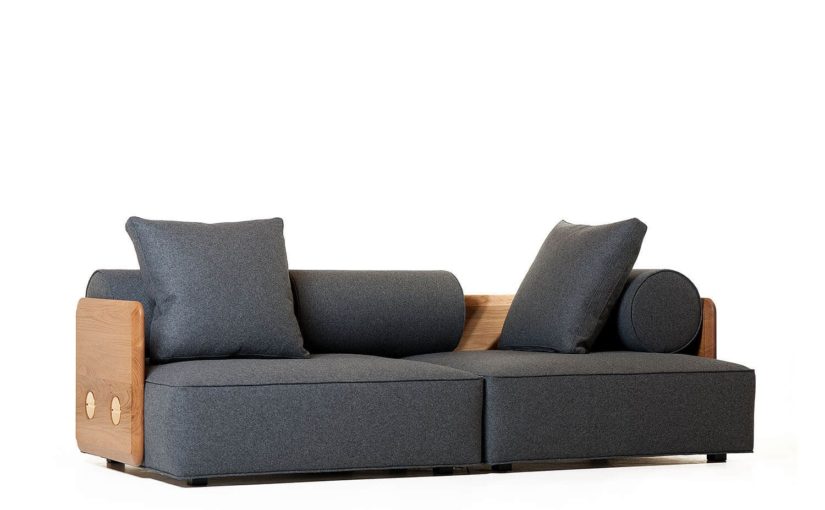
It is worth remembering that on the market, we can find a lot of different products for our home or flat. However, when looking for ideal interior designs, it is worth paying special attention to the fact that the products chosen by us are luxurious. Only thanks to such additions our interiors will become a new character again. We do not have to spend too much money on luxury sofas, because there are many attractive opportunities on the internet.
Such luxury sofas is worth buying from a reputable entrepreneur. A company that has been producing such luxury furniture for many years will certainly be a great solution for us. Choosing such elements of interior design we can be sure that they will serve in our home for a very long time. Luxurious sofas made by top designers are a perfect choice. Definitely, more and more people buy just such things, because thanks to them, each room looks elegant.
One can not forget also that the sofas, in particular luxury, also have various accessories. In many such models, elements made of high quality natural wood are an excellent addition. Thanks to this piece of furniture looks very elegant and can be easily adapted to any interior. When looking for luxury furniture such as sofas, we also have to pay a lot of attention to their color. The shade of such a luxury sofa must also be adapted to the room in which the sofa will be fixed.
Luxury designer furniture the best solution
Currently, many people want their interior to look unique. This is certainly possible, but it is very difficult. It is worth remembering that in order for the interior to look so good, we should do a lot of work. Unfortunately, furniture, which in the vast majority is available in furniture stores, may not be enough. So how can we arrange such a unique interior?
Unique interior – how can we create them?
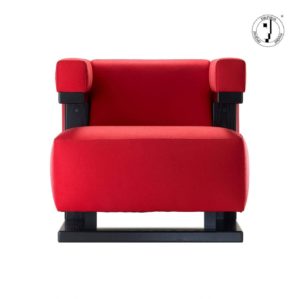 If we really care about the unique interior, we should remember not to choose furniture from online stores. Deciding on such a solution, unfortunately, we can be sure that one of our friends will also have the same equipment at home. That is why it is so important that the products chosen by us are unique. A perfect product that surely is worth investing in is designer furniture. More and more people are choosing, for example, to buy luxury designer furniture, because they are aware that using such products, our flat can look unique. However, what are the luxury furniture brands worth choosing?
First of all, if we want to introduce designer furniture to our interior, we should remember that even though they will be different products, all elements fit together. It is very important to create harmony in our interior. It is worth looking for renowned luxury furniture brands on the market (Check out https://www.kookudesign.com/30/furniture) and it is there that you buy the most important things for our home. Undoubtedly, the greatest advantage of such luxury designer furniture is the fact that thanks to them we can give a completely different character to our interior. In addition, such products are often unique and therefore of high quality, so it is worth investing in them.
Bocci lighting the best solution
When choosing the right lighting, it is worth considering what effect we want to achieve. It is very important to think carefully about what elements of our interior are to be illuminated and how we want the room to look like. So what is it worth to choose the right lighting?
Properly selected lighting is very important
It should be remembered that the lighting in our house or apartment should be very well thought out. First of all, it is thanks to the right lighting in the event that there is no sun, our rooms look great. Thanks to it, we can properly give character to every piece of equipment. However, one can not forget also that the lighting elements often also have a decorative function. Therefore, when shopping, it is worth choosing designer products such as Bocci lighting from KookuDesign.
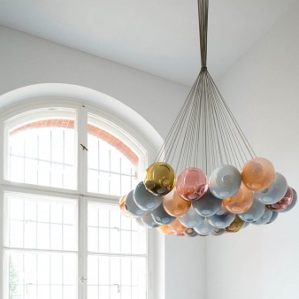
Certainly though Bocci lighting is not the cheapest method, we can be sure that it is a design solution. It is with this lighting that not only every piece of furniture in our room will look beautiful after dark. Deciding on such a solution it is also worth remembering that such lighting is a perfect element of interior design. Bocci lighting is a design product that will give a completely different character to any interior. It is worth to buy it, because thanks to this our room will be very unique. We can be sure that none of our friends will have the same products in their home, because they are often only available in several copies. It is definitely a good solution for our home. We will certainly be very happy with this choice.
Modern lamp to our home
Modern lamps in interiors work very well. More and more people are choosing to buy, because even a small lamp can dramatically change our interior. So how can we do it? What lamp should we decide on when buying?
A great lamp for our apartment
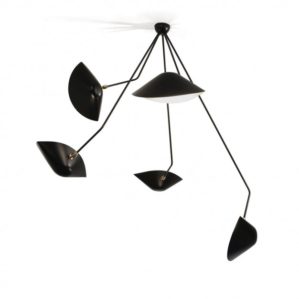 A properly chosen lamp for our apartment is very important. Not many people are aware of this, but it is with such a small element of interior design that we can make our space take on a completely different character. It is worth remembering that choosing such a lamp should be guided by the brand’s reputation. For this reason, more and more people are opting for, inter alia, Serge Mouille lamps. It is Serge Mouille lighting that is so willingly chosen solution, because thanks to this we can be sure that the lamp is solid and made of the highest quality components.
Certainly the choice of Serge Mouille lamps is the best. If we want such a product to look great in our room, we should choose the right style of such a lamp. However, we should not forget that Serge Mouille lighting also has a very rich color scheme. Dark lamps have become very popular lately. The housing of such a product, as well as the base itself, are very often embedded in dark colors. It is worth remembering that it is a perfect solution for modern interiors. However, more and more often we decide to buy such products for rooms that are decorated in a classic style. Of course, such products are also available in other shades. Surely everyone will find something for themselves choosing from the product line of this brand.
What kind of luxury lighting to choose?
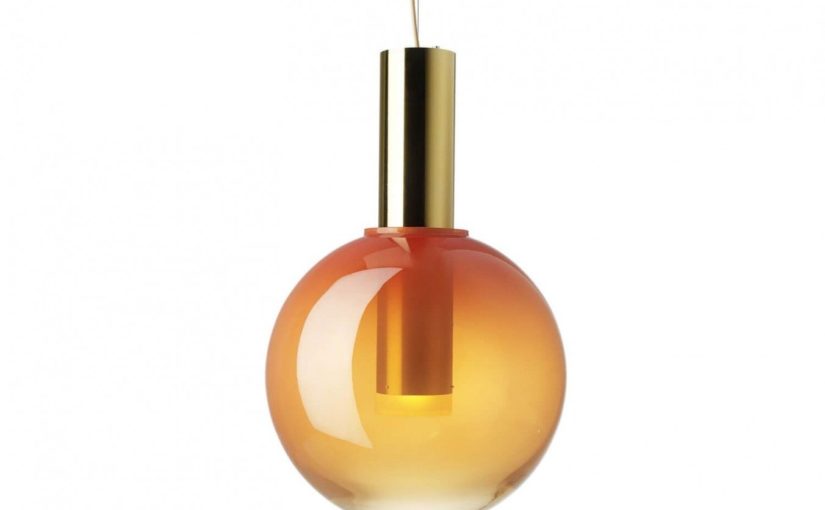
Luxury lighting at home is very important. More and more people recently decided to buy, among other things, attractive furniture or trendy additions to our interior. However, it is lighting that makes all these elements look great. So what luxury lighting from KookuDesign is worth choosing?
Different types of luxury lighting
We can find a wide variety of lighting forms on the market. We should remember that such lighting differs from each other primarily with price. Customers very often make this mistake and thus decide to buy lighting, which is the cheapest. Often, people argue that such lighting does not matter the most in our rooms and nobody looks at it. This is a huge mistake, because in particular lighting can change a lot in our interiors. So which ones to choose?
First of all, looking for the right lighting for our home, it is worth choosing a model that will suit the style in which the rest of the room is arranged. It is very important, for example, not to mix styles of modern lighting with a traditionally decorated interior. If we do not have much experience in this topic, it may not work. It is also a good idea to establish the main source of the world. It should be located centrally in the room and thus emit the most energy. We should not forget about the fact that it is worth taking care of additional lighting, for example on the walls. Thanks to this, our room will take on a completely different character. Well-chosen lighting also makes us feel perfectly in the interiors at home.
Why should we buy Cameron Mathieson lights?
Art is very important in the life of each of us. It is thanks to this that we can forget about everyday duties and bring out large amounts of energy, open ourselves to the world and become more creative. However, one can not forget that to commune with art we do not just have to go on holiday. It is worth to ensure that art in our house is present every day. So how can we do it?
Art in our home
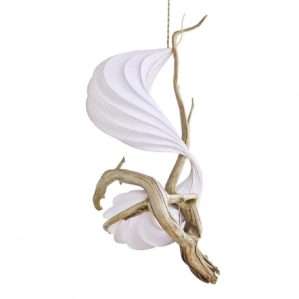 Not many people realize this, but our home or flat can also be a great art gallery. When deciding on the arrangement of the rooms, we should primarily focus not only on modern furniture and other elements of interior design, but also on additions in the field of art. For example, Cameron Mathieson art is a perfect solution for our rooms. Deciding on Cameron Mathieson art, we can be sure that our interiors will take on a whole new character. Lighting in our rooms is also very important, so it’s worth paying much attention to Cameron Mathieson lights. So what are the biggest advantages of Cameron Mathieson lights?
First of all, it is worth remembering that indoor lighting must be of good quality. This is one of the most important elements in our home, so it is worth paying much attention to it. Such lighting will not be replaced by us every year, so it is worth devoting more attention to it. As mentioned before, it is worth choosing a specific brand that has a good reputation on the market, such as Cameron Mathieson. Certainly it will be a great investment for us. Thanks to such additions, our interior will look perfect.